
 English (UK)
  Türkçe
  العربية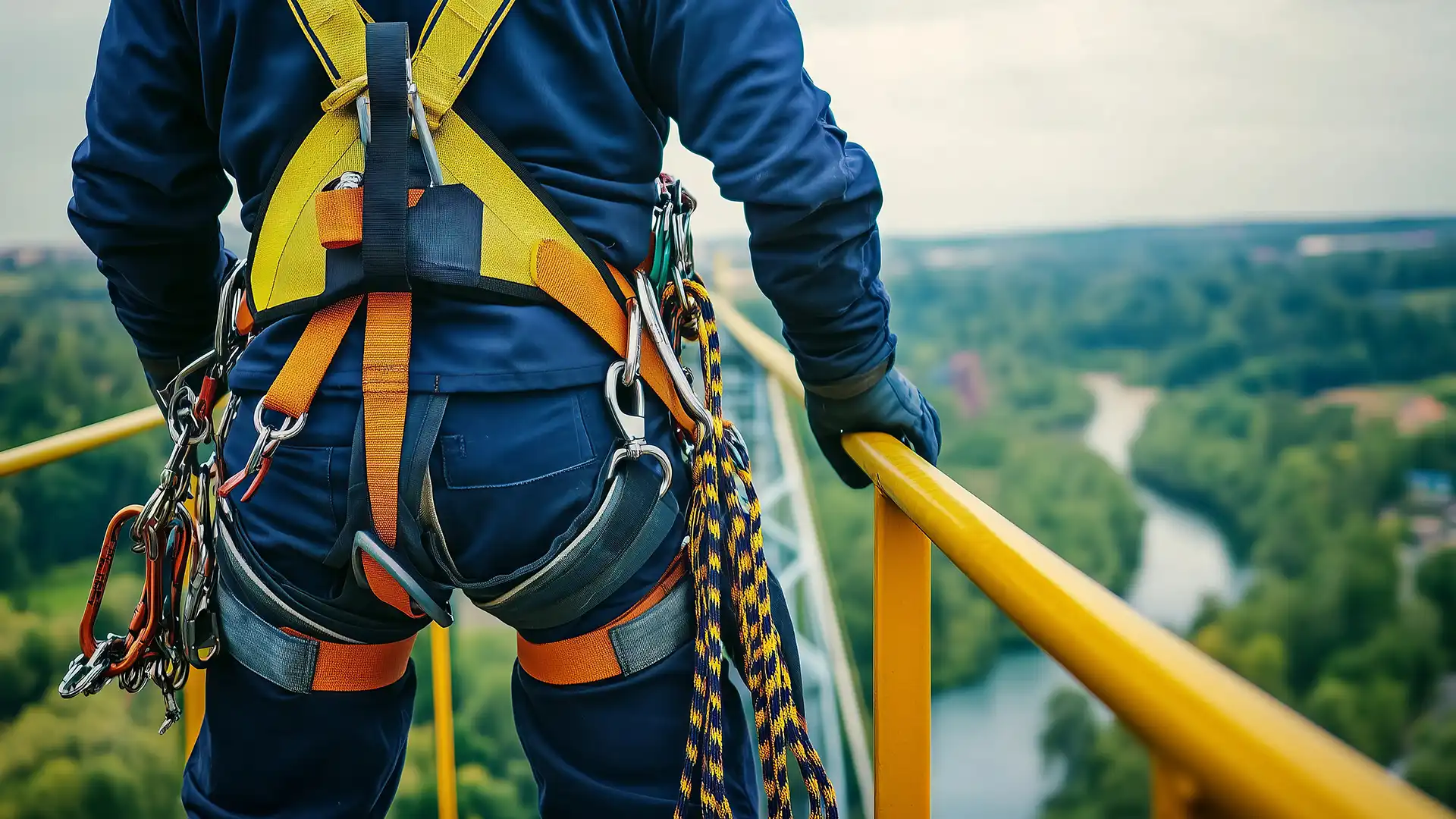
The safety measures required for working at height evolve every year, and in 2026 the focus is increasingly shifting toward energy absorbing lanyard solutions. The equipment produced by EKS Work Safety helps reduce the force generated during a fall, minimizing the risk workers are exposed to. Growing industry needs, complex work environments, and rising safety standards are key factors that highlight the importance of using an energy absorbing lanyard.
New Dynamics of Working at Height in 2026
Since the early 2020s, increased safety awareness across construction, energy, maintenance, and repair sectors has raised the demand for work safety equipment. Factors such as elevation, complex structures, confined spaces, and variable working conditions require continuous improvement in safety systems.
Today, safety standards go beyond simply preventing falls. Systems that minimize the force applied to the worker’s body during a fall have become essential. This shift underscores the importance of next-generation equipment such as the energy absorbing lanyard.
What Is an Energy Absorbing Lanyard?
An energy absorbing lanyard is one of the most critical tools for increasing safety during work at height, as it helps control the impact forces generated in a fall. Thanks to its energy absorption structure, it protects the worker and acts as a standard safety component across multiple industries.
- Lanyard: A strap or rope system that connects workers at height to an anchor point or safety system.
- Energy absorbing lanyard: A specialized connection system that absorbs kinetic energy during a fall and reduces the force transmitted to the body, helping minimize the impact.
EKS Work Safety offers a range of energy absorbing lanyard models — including single legged, double leg lanyard, and elastic types — providing solutions suitable for different work environments.
Why Do Energy Absorbing Lanyards Stand Out in 2026?
1. Increased Fall Risk and Complex Work Environments
Modern projects involve far more than simple roof or scaffold work. Industrial facilities, energy lines, and tall towers require workers to operate in highly complex environments. In these conditions, fall risks are elevated and free-fall distances are greater. As a result, standard lanyards are being replaced with energy absorbing lanyard options.
2. Rising Safety Standards
Work at height equipment is increasingly expected to comply with international standards. EKS Work Safety manufactures lanyards and Energy Absorbers in line with these requirements, ensuring compatibility with safety regulations and field risk assessments.
3. Worker Comfort and Freedom of Movement
Energy absorbing lanyards are designed to reduce fall impact while maintaining user comfort during normal operations. This balance of safety and convenience is a priority in EKS Work Safety product designs.
Technical and Practical Advantages of Energy Absorbing Lanyards
Energy absorbing lanyards are preferred not only because they reduce the energy generated during a fall, but also due to their ability to adapt to various industry-specific work scenarios. Here are some key advantages:
- Energy absorption: Distributes kinetic energy during a fall, reducing impact force.
- Controlled fall distance: Helps manage and limit fall distance, especially in high-elevation tasks.
- Adaptability: Provides compatibility with different environments through single legged, double legged, and elastic models.
- Durability: Manufactured using materials resistant to abrasion, UV light, and challenging work conditions.
In Which Sectors Should Energy Absorbing Lanyards Be Used?
Energy absorbing lanyards offer high value in the following sectors:
- Construction
- Energy — electrical, petroleum, and natural gas
- Industrial maintenance and facility management
- Cleaning, repair, and maintenance operations (high-rise buildings, towers)
Given the elevated fall risks in these industries, using an energy absorbing lanyard is essential.
What Should You Pay Attention to When Using an Energy Absorbing Lanyard?
- The working height should be evaluated, and the correct type (single legged / double leg lanyard / adjustable) must be selected.
- An energy absorbing lanyard should always be used with a suitable harness and a certified Anchors point.
- All equipment should be inspected regularly; connections and attachment methods must be verified.
- The load capacity and structural integrity of the anchor point should be confirmed before use.
- The lanyard should not come into contact with sharp edges, hot surfaces, or hazardous chemicals.
- Sufficient clearance must be ensured by calculating the total fall distance.
Roles and Key Strengths of EKS Work Safety
EKS Work Safety has long been a leading manufacturer addressing the needs of various industries with its advanced work at height solutions. With a user-centric approach that prioritizes safety at every stage — from product design to quality standards — the company provides reliable options for diverse working environments.
- Over 20 years of experience in producing high-standard work safety equipment
- A wide product portfolio including energy absorbing lanyard, harnesses, carabiners, ropes, lifelines, and more
- Tailored solutions for industries such as construction, energy, defense, and petroleum
Take Your Work Safety One Step Further
Using an energy absorbing lanyard enhances safety in high-risk working-at-height environments. This improvement not only strengthens personal protection but also supports workflow efficiency, operational consistency, and compliance with work safety standards.
To create a safer working environment and identify the equipment that best suits your needs, contact us for further assistance.
You can visit our LinkedIn page for more.

 by
by