
 English (UK)
  Türkçe
  العربية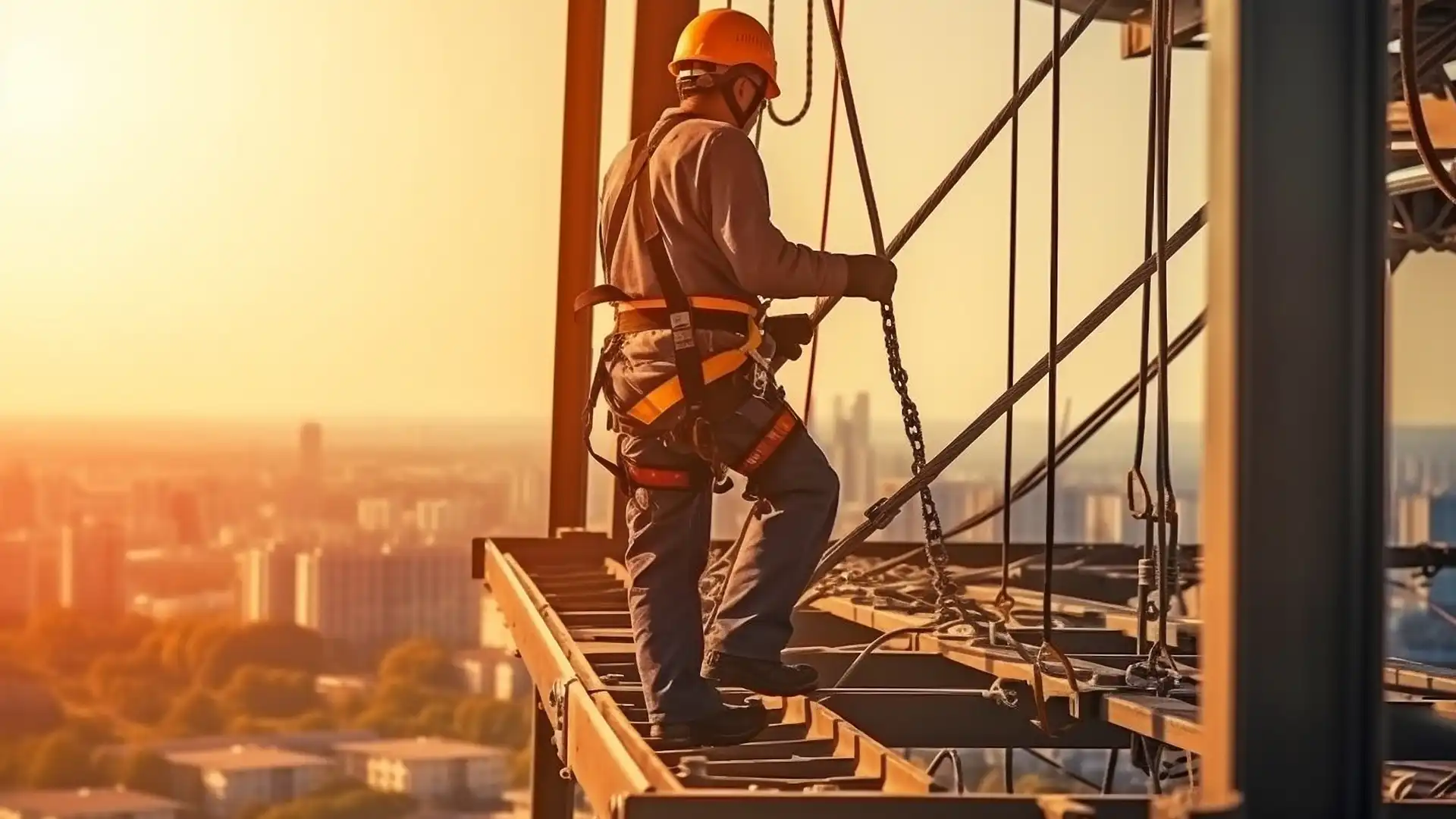
Work safety equipment is not only used to reduce risks in the field, but to control them and make them manageable. This distinction is critical. Risks cannot be completely eliminated; however, with the right equipment and proper system design, their impact can be minimized.
EKS Work Safety approaches work safety equipment with this perspective, aiming to create controlled and sustainable safety systems in the field.
How Are Risks Actually Controlled?
One of the biggest mistakes in many organizations is evaluating work safety equipment as individual products. In reality, effective control in the field is achieved through a system where all components work together.
For example:
- The harness (full body harness) integrates the worker into the system
- The lanyard ensures continuous connection between the worker and the anchor point
- Retractable Fall Arrests lock the system instantly during sudden movements
- Carabiners and anchor systems provide secure connections across the entire structure
With this setup, risks are not only prevented but also transformed into a controlled process.
EKS Work Safety ensures that all components function together by integrating these systems according to specific field conditions.
How Do Equipment Make Risks Manageable?
The primary role of work safety equipment is to make risks predictable and manageable. At this point, three key mechanisms come into play:
1. Connection and Stabilization
The worker is secured to a safe anchor point, preventing uncontrolled movement.
2. Intervention and Response
Systems such as Retractable Fall Arrests activate within milliseconds during sudden risk events.
3. Force Management
Even if a fall occurs, the force is controlled through lanyards and Energy Absorbers.
When these three stages work together, risks become predictable and controllable.
Why Do Some Systems Fail?
The main reason accidents still occur despite the presence of equipment is poor system design.
Common issues:
- Incompatibility between equipment
- Incorrect connection points
- Insufficient capacity of carabiners or anchors
- Lack of energy-absorbing components
In such cases, equipment exists, but the system does not. As a result, risks cannot be effectively controlled.
Controlled Risk = Sustainable Safety
Success in work safety is not about eliminating risks entirely, but about keeping them under control. This is only possible with the right equipment and a properly designed system approach.
For an effective system:
- Equipment must be compatible
- Selection must match field conditions
- Connection points must be correctly defined
- The entire system must be tested as a whole
With this approach, EKS Work Safety delivers not just equipment, but end-to-end safety solutions.
Managing Risks Starts with the Right System
When used correctly, work safety equipment creates a safe and sustainable working environment by keeping risks under control. Otherwise, simply having equipment in place is not enough.
EKS Work Safety develops field-specific systems to ensure maximum performance of work safety equipment. To build the right safety system for your operations and effectively manage risks, you can contact EKS Work Safety.
Visit our LinkedIn page to learn more.

 by
by