
 English (UK)
  Türkçe
  العربية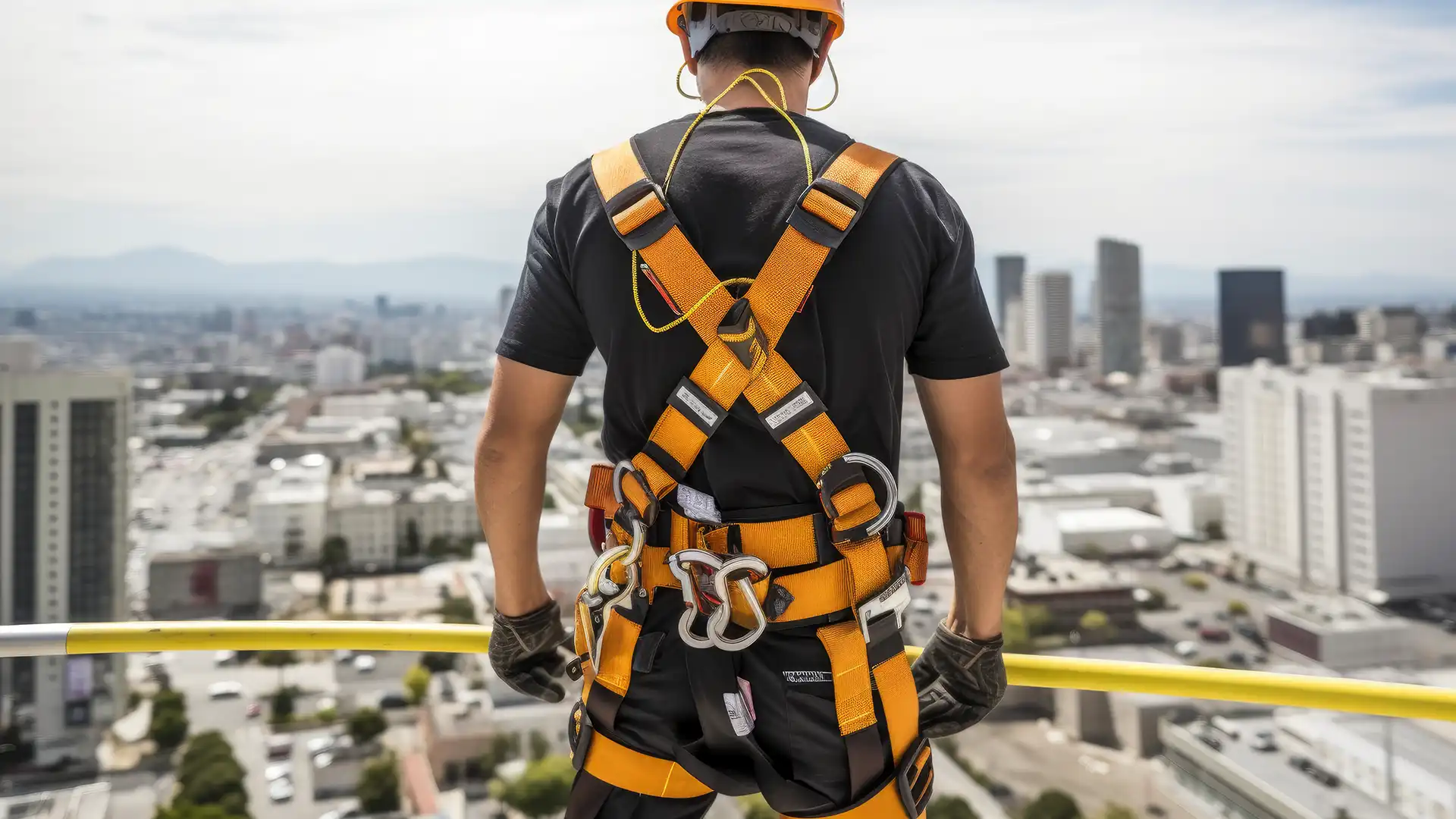
In working at height safety, the harness is one of the most critical components at the center of the system. However, the assumption that all risks can be managed with a single type of harness is incorrect. Different working scenarios require different harness types.
Choosing the right harness plays a decisive role in controlling fall risk, ensuring user comfort, and enabling fall arrest systems to function effectively. For this reason, the question “Which harness should be used?” must always be answered based on the specific job being performed.
How Are Harness Types Classified?
Harnesses are classified into different groups based on their purpose of use, the system they support, and the working position. This classification defines not only the structure of the harness but also which risks it is designed to manage.
The main criteria include:
- The need for fall arrest
- Positioning requirements
- Dynamic or fixed working areas
- The lanyard and connection systems to be used
Selections made without considering these criteria significantly reduce the protective potential of the harness.
When Should a Full Body Harness Be Used?
The full body harness is the most commonly used harness type in working at height applications. Its primary purpose is to distribute the force acting on the body in a controlled manner in the event of a fall.
This harness type:
- Provides full-body support through shoulder, waist, and leg connections
- Prevents fall forces from concentrating on a single point
- Works compatibly with Retractable Fall Arrests and energy absorbing lanyard systems
The use of a full body harness is considered mandatory in areas such as platforms, scaffolding, towers, energy lines, and maintenance and repair works.
Which Jobs Are Positioning Harnesses Suitable For?
Positioning harnesses are designed to keep the worker fixed in a specific working position. These harnesses are not used alone for fall arrest purposes; instead, they support stable working positions.
Positioning harnesses:
- Facilitate work on poles, columns, and vertical structures
- Allow hands-free operation
- Are used together with a lanyard
However, these harnesses are not fall arrest systems on their own. When necessary, they must always be used together with a full body harness.
What Is the Difference Between a Full Body Harness and a Positioning Harness?
One of the most common mistakes on worksites is assuming that these two harness types serve the same function. In reality, the difference between them is critical.
- Full body harness: Manages the force acting on the body during a fall
- Positioning harness: Stabilizes the working position and does not arrest a fall
;
For this reason, positioning harnesses alone are not sufficient in areas where fall risk exists.
How Should Harness Selection Be Made According to the Working Area?
Not every working at height site involves the same level of risk. Therefore, harness selection should be shaped according to the working environment.
- Fixed and low-mobility areas: Full body harness + lanyard
- Dynamic and mobile sites: Full body harness + Retractable Fall Arrests
- Pole and column works: Positioning harness + supporting lanyard
- Areas requiring energy absorption: Full body harness + energy absorbing lanyard
These combinations ensure not only correct equipment selection but also overall system integrity.
Common Mistakes When Choosing a Harness
Incorrect harness selection can render other properly used work safety equipment ineffective.
Common on-site mistakes include:
- Using a positioning harness for fall arrest purposes
- Selecting connection points that are unsuitable for the working scenario
- Ignoring compatibility between the lanyard and carabiners
- Overlooking user ergonomics
These mistakes can cause the system to fail to deliver the expected performance during a fall.
The Right Choice, a Strong System with EKS Harnesses
EKS Work Safety approaches harnesses not as standalone products but as part of an integrated safety structure working together with lanyard, carabiners, Anchors, and fall arrest systems. Harness solutions suitable for different working environments are developed by taking real site risks into account.
To determine the most suitable harness model for your working area and to systematize working at height safety, you can contact us.
Visit our LinkedIn page to learn more.

 by
by