
 English (UK)
  Türkçe
  العربية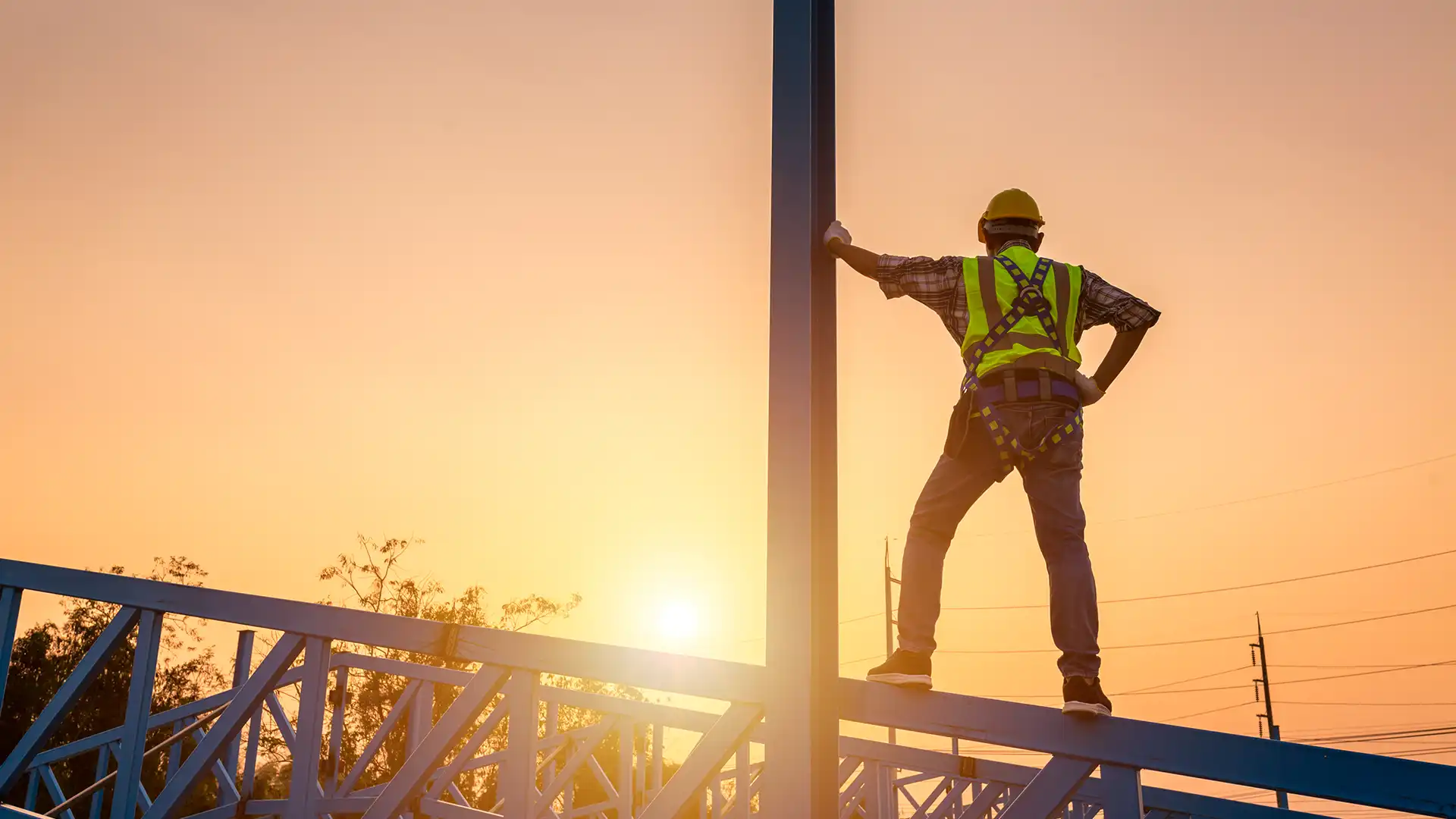
Work safety equipment is not used the same way in every industry. As working environments, risk types, and operational processes vary, the equipment used and the system design must also adapt. Therefore, selecting the right equipment is not enough; it must also be properly positioned according to the specific industry.
EKS Work Safety aims to analyze the needs of different industries and position work safety equipment in line with real field conditions.
Not Every Industry Faces the Same Risks
Work safety equipment is not only used for general protection, but also to control specific risks. For this reason, an industry-based approach is essential.
Key factors that determine the differences:
- Working height and environmental conditions
- Need for mobility
- Exposure to physical and environmental risks
- Operational continuity and workload intensity
These variables directly affect equipment selection.
Work Safety Equipment in the Construction Industry
The construction sector is one of the areas with the highest risk of falls from height. At the same time, constantly changing work environments require safety systems to be dynamic.
Equipment Use:
- Harness (full body harness) for full-body protection
- Double leg lanyard for continuous connection
- Secure fixing with carabiners and anchors
- Use of Retractable Fall Arrests when necessary
Instead of fixed systems, flexible and adaptable safety solutions should be preferred. EKS Work Safety provides dynamic and reliable system configurations for construction sites.
Use in Industrial and Manufacturing Facilities
In production environments, risks are not limited to falls. Confined spaces, machine density, and operational speed create additional safety requirements.
Equipment Use:
- Short connection lines (lanyards) in confined spaces
- Systems that enable controlled movement around machinery
- Safe access via steel rope lifelines
Equipment must ensure safety without slowing down production. EKS Work Safety develops solutions that maintain operational continuity.
Safety Approach in Energy and Infrastructure Projects
Working conditions in energy projects are often challenging and involve height. Therefore, work safety equipment must be both durable and capable of rapid response.
Equipment Use:
- Fast reaction with Retractable Fall Arrests
- Lifelines for long-distance access
- High-strength steel anchors
Fall distance must be minimized, and the system must respond instantly.
Use in Logistics and Warehousing
In logistics, risks are mostly related to working at height and loss of balance. Shelving systems and loading areas increase these risks.
Equipment Use:
- Use of harnesses for platform work
- Single legged lanyard for controlled access
- Secure anchor systems at fixed points
The balance between speed and safety must be carefully managed.
Flexible Systems in Maintenance and Technical Services
Maintenance and technical services require working in different environments, which demands highly flexible safety solutions.
Equipment Use:
- Portable and quickly deployable systems
- Force control with energy absorbing lanyards
- Connection equipment adaptable to different scenarios
Using the same system for every site creates serious risks. EKS Work Safety provides mobile and adaptive solutions for maintenance teams.
What Risks Arise from Using the Wrong Equipment for the Sector?
Selecting work safety equipment that is not suitable for the specific industry can render the entire system ineffective.
Possible consequences:
- Increased fall distance
- Overloading of connection points
- Restricted worker mobility
- Secondary accidents
Therefore, equipment selection should not be based solely on technical specifications, but also on the specific industry in which it will be used.
The Right Industry, The Right System
To establish an effective work safety system:
- Conduct a sector-specific risk analysis
- Select the appropriate equipment combination
- Define correct connection points
- Test the system in real field conditions
This approach reveals the true performance of work safety equipment.
Reduce Risks with the Right Equipment
Work safety equipment is not used the same way in every industry. The correct approach is to develop industry-specific solutions and position equipment accordingly.
EKS Work Safety analyzes the needs of different sectors and builds the most suitable systems. To develop tailored safety solutions for your work environment and select the right equipment, you can contact EKS Work Safety.
Visit our LinkedIn page to learn more.

 by
by