
 English (UK)
  Türkçe
  العربية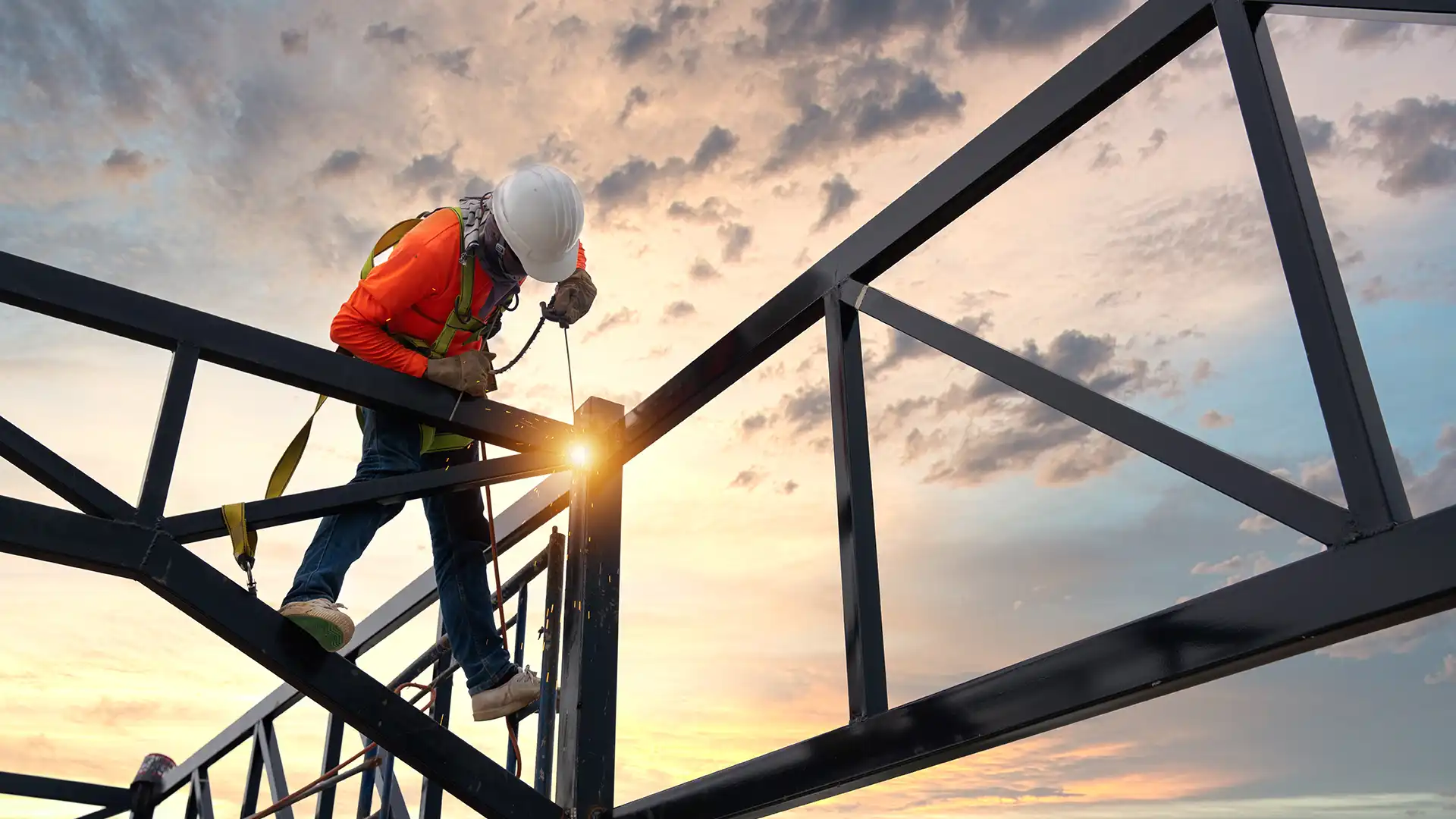
Work at height equipment ensures safety not only when selected correctly, but also when maintained and inspected regularly. Equipment such as harnesses, lanyards, retractable fall arrests, and carabiners can wear over time, lose performance, and create risks.
For this reason, maintenance and inspection processes for work at height equipment are critical not only for extending equipment lifespan, but also for ensuring sustainable worker safety. EKS Work Safety approaches these processes within a system integrity framework.
Why Should Work at Height Equipment Be Inspected Regularly?
Work at height equipment directly protects human life. Therefore, even the smallest deformation can lead to serious risks.
Without regular inspection:
- Material fatigue may go unnoticed
- Stitching and connection points may weaken
- Locking mechanisms may fail to function properly
- The system may not perform as expected during a fall
These risks often arise from small details that are not easily visible. EKS Work Safety considers periodic inspections a critical safety step for this reason.
Daily Inspection: What Should Be Checked Before Use?
Identify Risks Early with Visual Inspection
Work at height equipment must always be visually inspected before use.
Key points to check:
- Cuts, wear, or deformation on the harness
- Fraying or fiber damage on the lanyard
- Cracks or locking mechanism issues in carabiners
- Rope damage in retractable fall arrest systems
This simple inspection can prevent major risks.
Test System Functionality with Functional Checks
Visual inspection alone is not sufficient. Equipment functionality must also be tested.
- Does the carabiner lock open and close properly?
- Does the retractable fall arrest lock when activated?
- Are lanyard connections secure?
These checks confirm the active safety performance of the equipment.
Periodic Inspection: Professional Evaluation Processes
Conduct Detailed Inspections at Regular Intervals
Work at height equipment should be inspected not only by users but also by qualified professionals at regular intervals.
During periodic inspections:
- Material strength is evaluated
- Stitching and connection points are examined in detail
- Mechanical components are tested
- Usage history is analyzed
EKS Work Safety enhances safety by evaluating the entire system during these processes.
How Should Each Equipment Be Inspected?
Harness Inspection
- Are there any loose or damaged stitches?
- Are attachment points deformed?
- Does the harness fit properly on the body?
Lanyard and Energy Absorber Inspection
- Has the lanyard length or structure deteriorated?
- Has the energy absorber deployed or been damaged?
- Are the connection points secure?
Retractable Fall Arrest Inspection
- Does the rope retract smoothly?
- Does it lock during sudden pulling?
- Does the mechanism operate smoothly and quietly?
Carabiner and Anchor Inspection
- Does the locking system function properly?
- Are there cracks or wear on the surface?
- Is the anchor point sufficiently strong?
These checks ensure that the work at height equipment system operates safely.
How to Extend Equipment Lifespan Through Maintenance?
Work at height equipment can be used safely for longer periods with proper maintenance practices.
Cleaning and Proper Storage
- Keep away from chemicals
- Avoid storing in humid environments
- Do not expose to direct sunlight
Proper Usage Practices
- Do not exceed equipment capacity
- Avoid incorrect connections
- Minimize contact with hard surfaces
Do Not Use Damaged Equipment
Even minor damage can lead to serious consequences. Therefore:
- Damaged equipment must be taken out of service immediately
- It should be replaced if necessary
EKS Work Safety provides guidance not only in equipment supply but also in proper usage and maintenance processes.
How Do Maintenance and Inspection Affect Safety?
Regularly maintained and inspected work at height equipment:
- Lasts longer
- Performs more consistently
- Operates more safely during a fall
This reduces costs and minimizes the risk of workplace accidents.
Extend Equipment Lifespan with EKS Work Safety
Work at height equipment achieves maximum performance through regular maintenance and proper inspection processes. You can contact us to establish maintenance and inspection procedures suitable for your work environment and to improve the performance of your work at height equipment.
Visit our LinkedIn page to learn more.

 by
by