
 English (UK)
  Türkçe
  العربية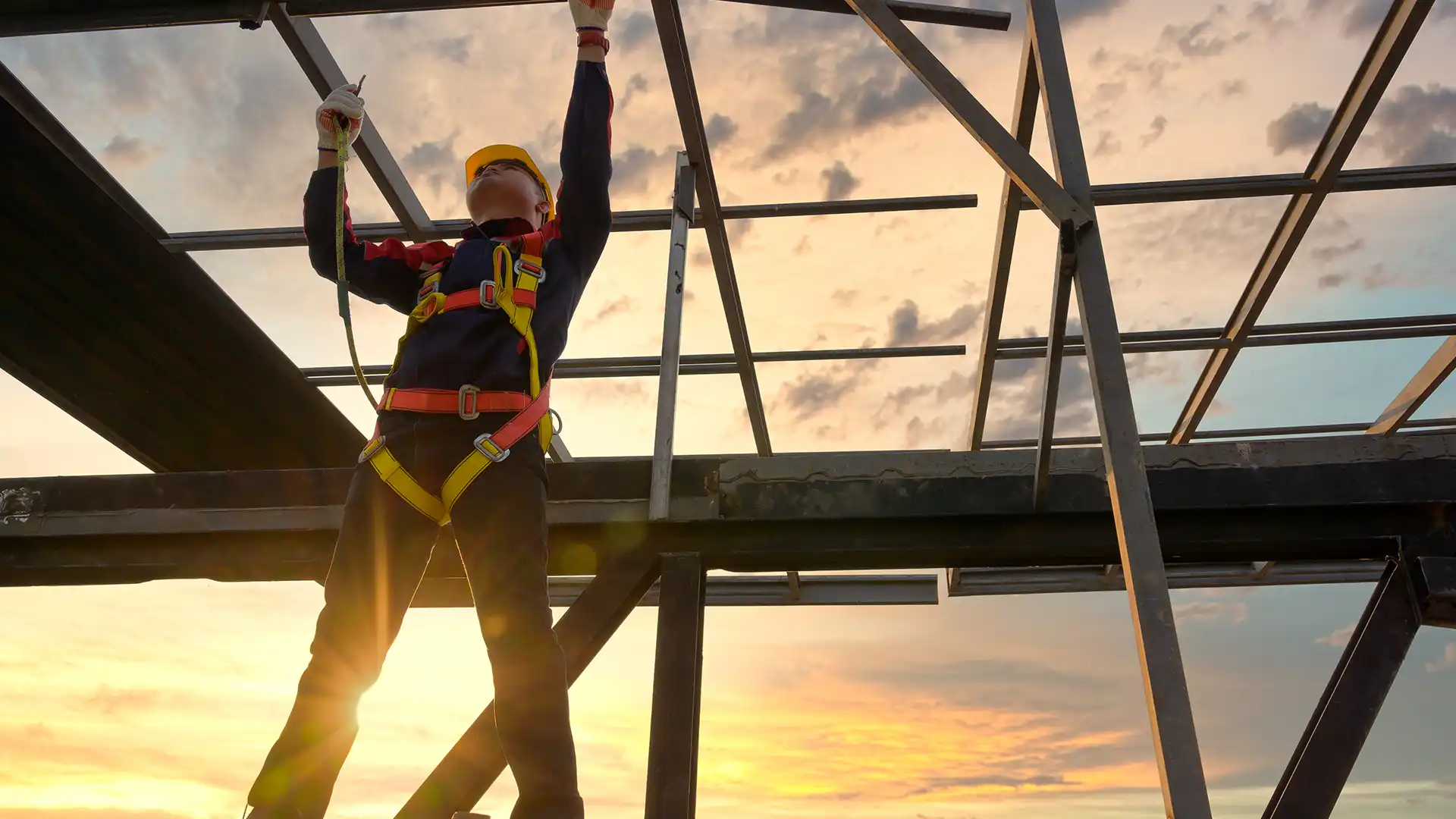
Work safety equipment is not only a legal requirement; it is a critical safety system that directly controls risks in the field. With the correct use of equipment, many hazards such as falls, impacts, electrical incidents, and chemical exposure can be significantly reduced. However, the key point is not the individual equipment itself, but how these components function together as a system.
EKS Work Safety aims to provide maximum protection in the field by approaching work safety equipment with this integrated perspective.
What Risks Do Work Safety Equipment Eliminate?
Work safety equipment provides protection against various types of risks. However, each piece of equipment addresses a different hazard, and if not properly matched, the system becomes ineffective.
The most common risk types:
- Falls from height
- Impacts and collisions
- Electrical hazards
- Chemical exposure
- Slips and loss of balance
Each of these risks requires different equipment working together as a unified system.
Fall Risk: The Most Critical Scenario
Falls from height are among the most fatal workplace accidents. Work safety equipment used in these situations not only stops the fall but also manages the force generated during the fall.
Within this system:
- The harness (full body harness) stabilizes the body and distributes the load
- The lanyard connects the worker to the anchor point
- The Retractable Fall Arrests lock within milliseconds during a sudden fall
- Carabiners form the critical connection that links the entire system
When these components work together, fall risks can be effectively controlled. EKS Work Safety provides tailored solutions to ensure these systems are correctly configured for specific field conditions.
How Are Impact and Collision Risks Reduced?
In the field, not only falls but also impacts and collisions can lead to serious consequences. These risks increase especially in confined spaces or environments with dense equipment usage.
Work safety equipment helps by:
- Stabilizing the body and reducing uncontrolled movement
- Preventing secondary impacts after a fall
- Supporting the worker’s balance
In poorly configured systems, even if the fall is stopped, secondary impact risks may still occur.
Protection Against Electrical and Chemical Risks
Work safety equipment is designed not only for mechanical risks but also for environmental hazards.
For example:
- Insulated equipment for personnel working near electrical lines
- Specialized protective systems for chemical environments
At this stage, equipment selection must be based on the specific working conditions. EKS Work Safety minimizes these risks by offering solutions tailored to different industries.
Is Equipment Alone Enough?
This is the most critical point.
Work safety equipment alone does not provide protection. Real safety is achieved when all components are used correctly and as part of a system.
Common incorrect scenarios:
- A harness is used but not properly secured
- A lanyard is used without an energy absorber
- Carabiners are not rated for the required load capacity
In such cases, the system fails, and the risk remains.
The Right System = Real Protection
An effective work safety system is based on the following principles:
- Equipment must be compatible with each other
- Correct connection points must be used
- Fall forces must be properly managed
- The entire system must be tested as a whole
This approach ensures the true performance of work safety equipment.
Reducing Risks Starts with the Right Approach
Work safety equipment saves lives when selected correctly and used within a properly designed system. However, even with equipment in place, an incorrectly configured system cannot eliminate risks.
EKS Work Safety develops field-specific solutions to ensure equipment operates at maximum efficiency. With the right equipment, proper installation, and correct usage, risks can be effectively controlled.
What truly makes a difference in workplace safety is not the equipment itself, but a properly designed system approach.
To create the most suitable solution for your work environment and get detailed information, you can contact EKS Work Safety.
Visit our LinkedIn page to learn more.

 by
by